Strength Training for Women: Why Lifting Matters at Every Age
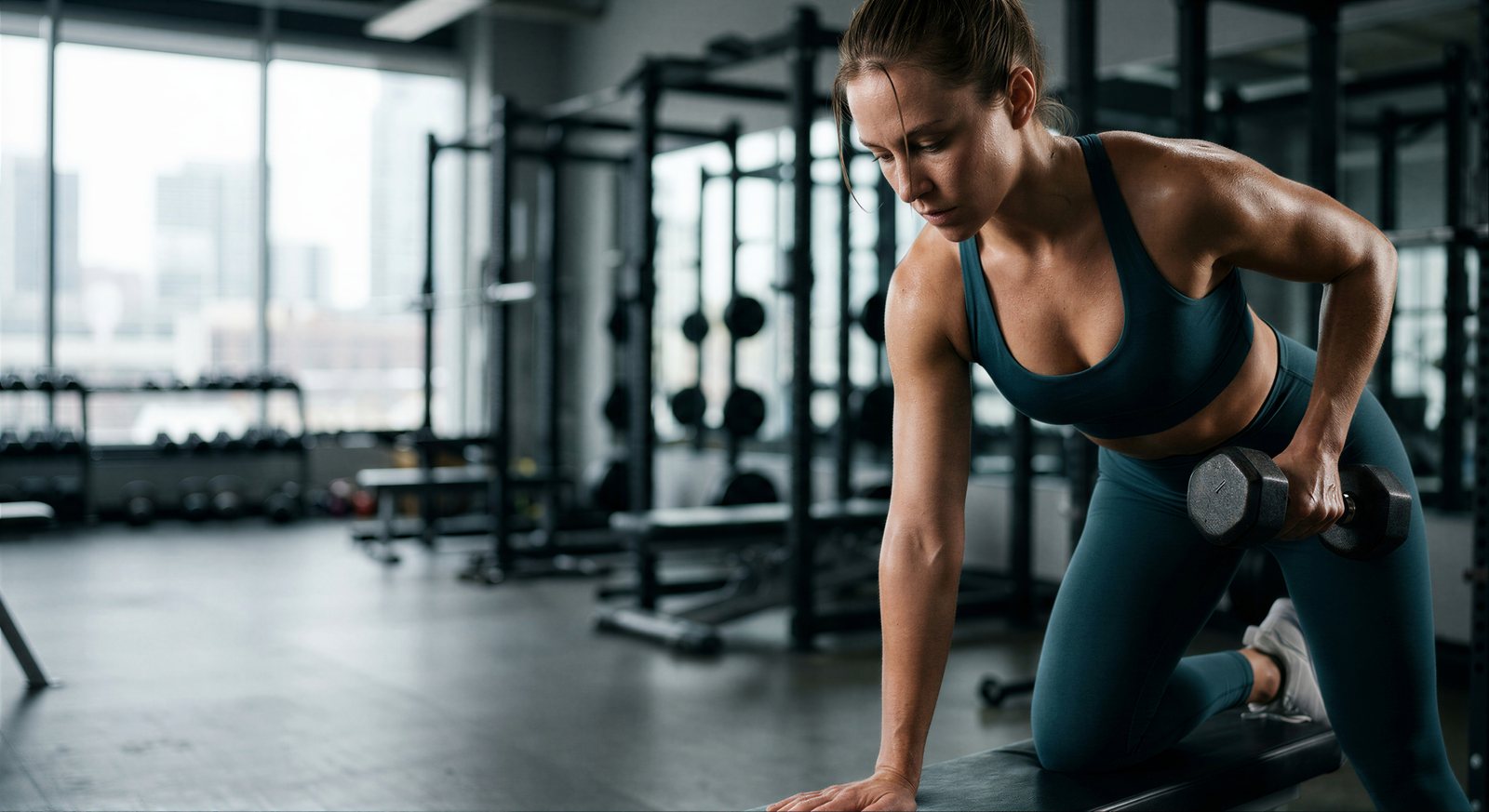
If there's one habit that has gone from "nice to have" to "non-negotiable" in women's health, it's strength training. For years many women were told to focus on cardio and avoid weights. Now doctors, researchers and trainers agree: building and keeping muscle is one of the best things you can do for your long-term health.
Why It Matters So Much for Women
- Stronger bones. Women lose bone density faster than men, especially in the years around menopause. Resistance training puts healthy stress on bones, which helps maintain them and lowers the risk of osteoporosis.
- More muscle as you age. Adults naturally lose muscle over time. Strength training slows that loss and keeps everyday things, like carrying groceries or getting up from the floor, easier.
- Better balance. Strong legs and a strong core help prevent falls later in life.
- Metabolism and blood sugar. Muscle helps your body use glucose, which supports healthy blood sugar levels.
- Mood and sleep. Many women find that regular workouts help them sleep better and manage stress.
And no, lifting won't make you "bulky." Building large muscles takes years of very specific training and eating. For most women, strength training simply makes you look and feel firmer and stronger.
How Much Do You Need?
The U.S. Physical Activity Guidelines recommend that adults do muscle-strengthening activities at least two days a week, working all the major muscle groups (legs, hips, back, abdomen, chest, shoulders and arms). That's in addition to about 150 minutes a week of moderate activity, such as brisk walking.
A Simple Beginner Routine
Do this two or three times a week, with a rest day in between. Start with your body weight or light dumbbells. Do 2 to 3 rounds of 8 to 12 reps of each move.
- Squats (to a chair if you need support)
- Push-ups (against a wall or counter to start)
- Glute bridges
- Bent-over dumbbell rows
- Reverse lunges
- Overhead press with light dumbbells
- Plank, holding for 20 to 30 seconds
When 12 reps start to feel easy, add a little weight. That gradual increase, called progressive overload, is what keeps you getting stronger.
Tips for Getting Started
- Form first. Move slowly and with control. A session with a trainer, or a few good videos, can help you learn the basics.
- Eat enough protein. Your muscles need it to repair and grow. Include a protein source at every meal.
- Be consistent, not perfect. Two 30-minute sessions every week beat one exhausting workout a month.
- It's never too late. Studies show women in their 60s, 70s and beyond can still build strength.
Looking for more ideas? Try my health & fitness posts, and keep an eye out for my fall workout guide coming in November.
This article is for general information and isn't medical advice. Talk with your doctor or another qualified health professional about your own health, especially before starting a new exercise plan or treatment.
Sources: U.S. Physical Activity Guidelines for Americans, Mayo Clinic: Strength training, AAOS: Exercise and Bone Health.